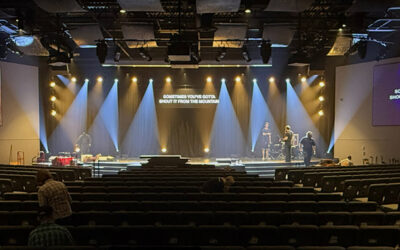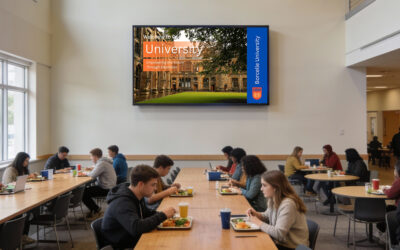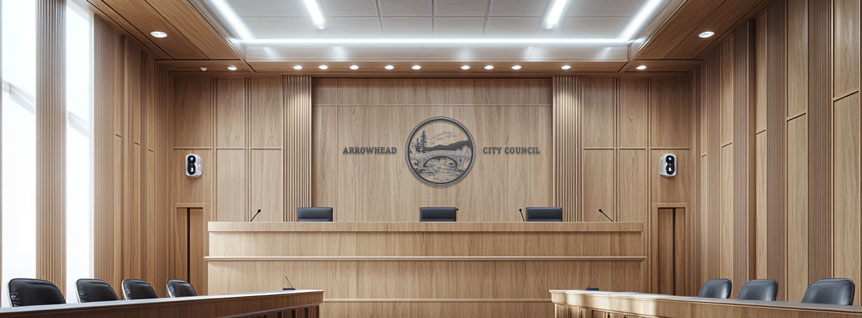
In the spirit of open governance and public engagement, clear communication stands as a cornerstone of successful government meetings and hearings. When citizens can readily understand the proceedings, trust and participation flourish. However, achieving this level of clarity requires thoughtful planning and appropriate technology. This guide explores essential considerations for ensuring effective communication in these vital public forums. Such meetings might include city council meetings, county board sessions, planning commission hearings, school board assemblies, state legislative proceedings, public utility commission meetings, zoning board hearings and town halls. Whether you’re a government official organizing these meetings or a citizen hoping to participate more effectively, the following best practices will help ensure that public discourse remains accessible, transparent, and productive for all stakeholders.
The Foundation of Clarity: Microphone Systems and Acoustics
The ability for attendees, both present and remote, to clearly hear what is being said is paramount. This starts with fundamental infrastructure: microphone systems and the acoustic environment.
Microphone Selection and Placement
Choosing the right microphones for your specific setting is crucial:
- Wireless lapel microphones: These are ideal for presenters who need mobility during their presentations. Example: The council members speak naturally while moving around the room.
- Podium microphones: Provide stable, direct audio capture for formal presentations. Example: They provide audio to the meeting notetaker as well as being amplified for everyone in the room to hear.
- Boundary microphones: Effective for capturing audio from multiple speakers, these are often placed on a sidebar. Boundary mics can provide a wider overall audio capture of the room, ensuring that comments from the audience or multiple speakers at a table are clearly recorded alongside the focused input from other dedicated microphones.
Pro tip: For meeting rooms with 15+ participants, implement a discussion system that allows for moderated conversation with individual microphones that illuminate when active.
Acoustic Treatment
Room acoustics significantly impact sound quality.
- Sound-absorbing panels: Install on walls perpendicular to speakers to reduce echoes. Panels with NRC ratings of 0.85 or higher provide the best results.
- Ceiling treatments: Suspended acoustic ceiling tiles can dramatically reduce reverberations in rooms with high ceilings.
- Strategic furniture placement: Positioning podiums away from hard surfaces and using sound-absorbing materials in furniture can improve clarity.
- Background noise mitigation: Address HVAC noise with regular maintenance and consider sound masking systems for spaces with thin walls.
Action item: Conduct a simple acoustic test by clapping in different parts of your meeting room. If you hear distinct echoes, acoustic treatment should be a priority.
Breaking Down Barriers: Assistive Listening Devices for Accessibility
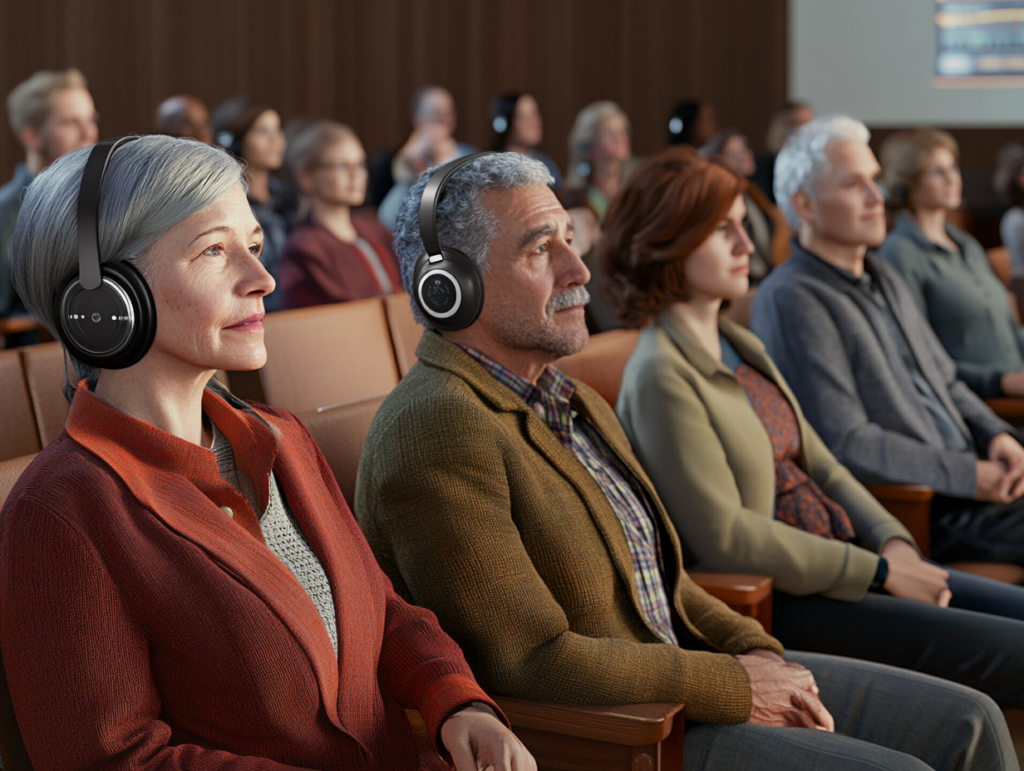
True accessibility extends beyond simply having a microphone. The Americans with Disabilities Act (ADA) requires that public facilities provide assistive listening systems in assembly areas where audible communication is integral to the use of the space.
Ensuring Availability and Ease of Use
Making (Assisted Listening Devices) ALDs readily available and user-friendly demonstrates a commitment to inclusivity:
- Designate a specific staff member responsible for ALD maintenance and distribution
- Create clear signage with the international symbol for hearing assistance
- Provide quick-reference guides for users
- Keep devices fully charged and test them before each meeting
- Train personnel to assist attendees with device setup
Remember: Under ADA guidelines, you must provide ALDs for at least 4% of the seating capacity in assembly areas.
Preserving the Record: Recording and Archiving Solutions
Maintaining an accurate and accessible public record is crucial for transparency and accountability. Quality recording equipment ensures that captured audio is clear and free from distortion.
- Integrated systems: Modern AV systems like those from Crestron can record, stream, and archive meetings automatically.
- Redundant recording: Implement at least two recording methods to prevent data loss.
Archiving and Accessibility
- Searchable transcripts: Use services like Rev or Otter.ai to create searchable transcripts linked to audio timestamps.
- Metadata standards: Implement consistent naming conventions and metadata tagging to improve searchability (e.g., date, committee, agenda items).
- Retention policies: Develop clear retention schedules that comply with state and local requirements for public records.
Hybrid Meeting Considerations
As more public meetings include both in-person and remote participants, additional considerations come into play:
- Video conferencing integration: Systems like Crestron Flex provide secure platforms specifically designed for public meetings.
- Equal participation: Implement tools that allow remote attendees to “raise hands” and participate in public comment periods.
- Dual monitoring: Ensure in-room displays show remote participants clearly and vice versa.
- Chat moderation: Assign a staff member to monitor digital comments and relay questions to presenters.
Budgeting and Implementation
Improving your meeting audio doesn’t have to break the bank:
- Phased approach: Start with the most critical components (microphones and basic ALDs) and expand as budget allows.
- Grants and funding: The USDA Community Facilities Direct Loan & Grant Program provides funding for small towns and rural areas to improve public facilities.
- ROI calculation: Consider the cost savings from reduced meeting time, fewer repeated questions, and decreased staff time spent addressing audio complaints.
Conclusion: Investing in Clear Communication
Clear communication in public meetings is not merely a technical consideration; it is a fundamental aspect of democratic participation and government transparency. By thoughtfully implementing the recommendations in this guide, government bodies can ensure their proceedings are accessible, understandable, and accurately documented.
These investments demonstrate a commitment to open governance and empower citizens to actively engage in the processes that shape their communities. The result is not just better meetings, but stronger democracy. If you’d like to know more about systems that could make communication clear and simple, give S&L Integration a call or visit our contact page to send us an e-mail.