Picking the right AV system for your church is one of those things that sounds straightforward until you’re actually doing it. Suddenly you’re deep in a conversation about speaker placement, mixer channels, streaming encoders, and hearing loop compliance, and you just wanted people to hear the sermon better.
Here’s the thing: most of the confusion comes from starting with equipment instead of starting with questions. The churches that end up happiest with their systems are the ones that slowed down early and got honest about what they actually needed.
Why it matters more than people expect
Bad audio doesn’t just annoy people, it disconnects them. When someone is straining to hear or watching a pixelated stream, they’re not worshipping, they’re troubleshooting in their head. That’s true for guests especially, who don’t have the loyalty to push through a frustrating experience.
And this stuff compounds. A system that works fine for 150 people and two acoustic guitars starts to crack when you add a drummer, a campus venue, and a Sunday livestream. What gets installed today sets the ceiling for what’s possible tomorrow, which is why the planning conversation matters so much.
The questions we hear most
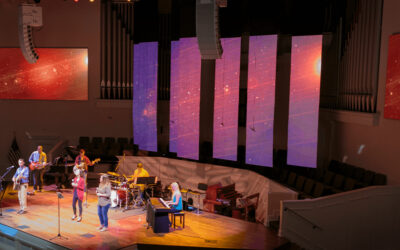
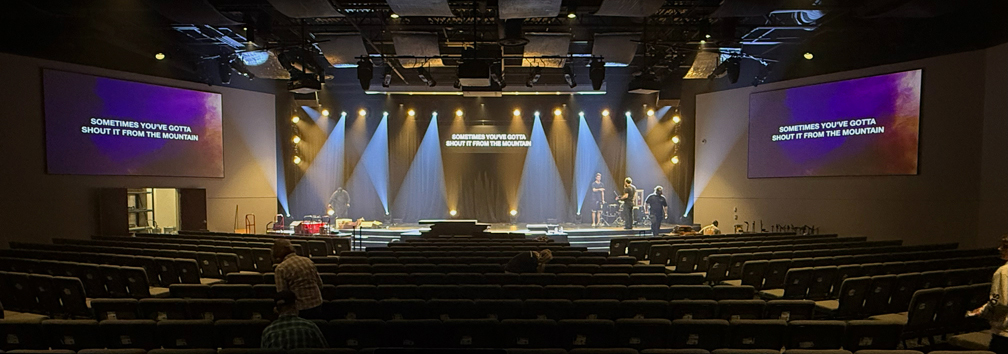
“What kind of system do we actually need?” That depends almost entirely on how you use your space. A small congregation doing spoken-word services has almost nothing in common, technically speaking, with a mid-size church running live music, projection, and a stream. Room size, seating layout, worship style, and whether you’re doing video at all, those answers shape everything.
“Can we just install it ourselves?” Sometimes, yes. But more often, churches that go the DIY route end up spending more in the long run, buying parts that don’t work together, fixing problems that a proper design would have prevented, or replacing gear that seemed fine until it wasn’t. A well-designed system also accounts for where you’re headed, not just where you are. That’s hard to do when you’re in the weeds trying to get something working by Sunday.
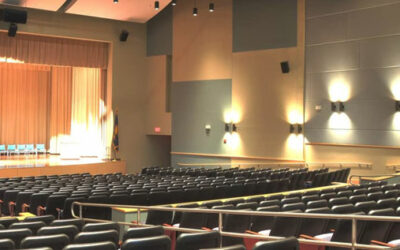
“How do we know if we’re picking the right gear?” You probably won’t know for certain until someone who understands your room and your goals takes a look. Equipment decisions are downstream of room decisions, ceiling height, shape, materials, stage layout, seating distance. A speaker that works beautifully in one sanctuary can sound terrible in another.
What people forget to factor in
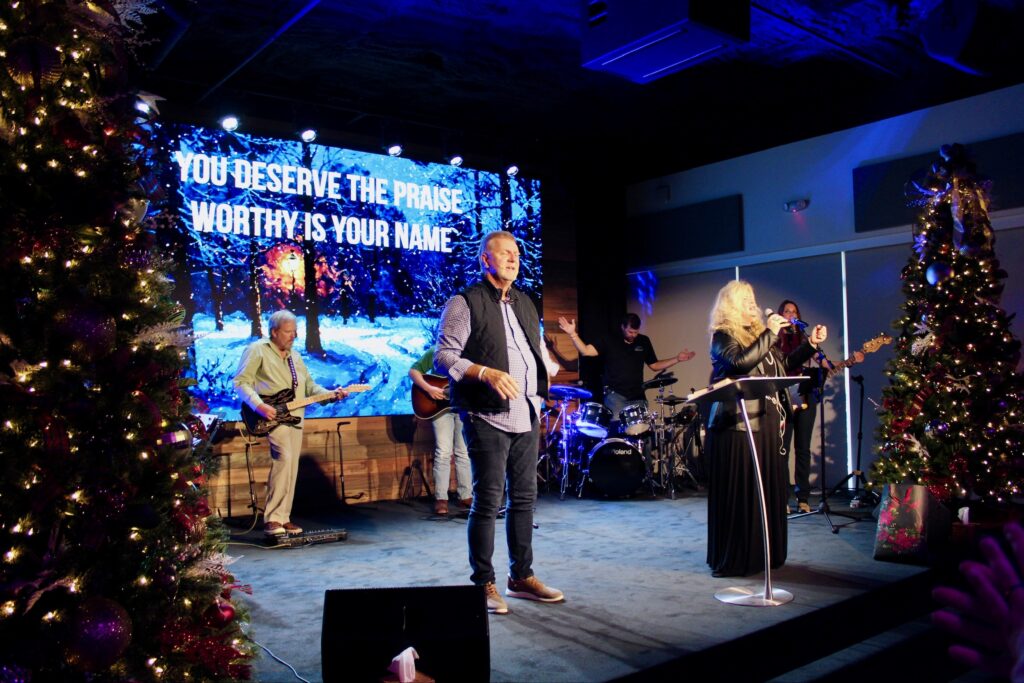
Worship style affects your system more than most people realize. A traditional liturgical service needs different things than a contemporary one with multiple vocalists and a full band. And whoever’s running the board on Sunday morning matters too. A complex system is a liability if your volunteers don’t feel confident using it. Training and long-term support aren’t accessories, they’re part of the real cost.
Speaking of cost: don’t just budget for gear. Installation, cabling, mounting hardware, acoustic treatment, networking infrastructure, all of that adds up. Churches that only price the equipment often get surprised later by what it actually takes to make that equipment work.
Why piecemeal usually backfires
A lot of churches build their systems one item at a time, a speaker here, a mixer upgrade there, a camera when the budget allows. It makes sense in the moment, but it creates headaches. You end up with components that don’t talk to each other well, a system that can’t scale, and eventually a more expensive rebuild than if you’d planned it once from the start.
Designing the whole system together, around the room, the team, and the ministry’s direction, is almost always cheaper in the long run. Even just thinking about expansion from the beginning (extra outputs, conduit runs, infrastructure you might need later) can save a lot of rework.
Where to start
A short questionnaire is one of the most useful things we’ve found for cutting through the noise. Room size, worship style, what you have now, what you’re trying to accomplish, who’s running it, where you want to be in five years — once those pieces are on the table, the right direction becomes a lot clearer. It also opens up a real conversation with someone who can help you move from “what should we buy?” to “what’s actually going to work for us.”
The goal isn’t the fanciest system. It’s a system that’s clear, reliable, easy for your team to use, and built for where your church is going — not just where it is right now.
Ready to figure out what your church actually needs? Fill out this simple questionnaire and we’ll send a quick estimate straight to your inbox.