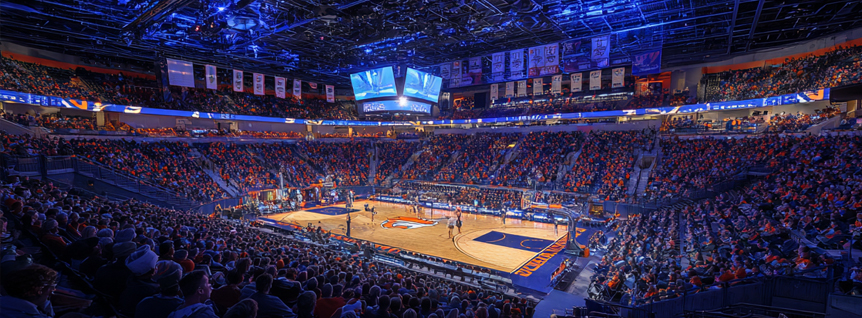
University athletic and recreational facilities serve as more than functional spaces—they’re community gathering points where energy, competition, and school spirit converge. The difference between a good facility and an exceptional one often comes down to the quality of its audio-visual infrastructure. Sound and lighting systems that work seamlessly in the background can elevate both athletic performance and spectator experience in ways that extend far beyond basic functionality.
Sound Systems: Creating Cohesive Audio Experiences
A sports arena’s acoustic environment shapes every moment, from the anticipation-building music before tip-off to the clarity of safety announcements during emergencies. Effective sound design requires more than powerful speakers—it demands careful consideration of how audio travels through space and reaches every listener.
Modern arena sound systems address complex acoustic challenges through strategic speaker placement and digital signal processing. The goal is eliminating the dead zones and echo-prone areas that plague many older facilities. When properly calibrated, these systems ensure that game announcements reach the back row with the same clarity as the front, while pre-game music energizes the entire crowd rather than overwhelming sections closest to speakers.
This technical complexity often goes unnoticed by fans, which is precisely the point. A well-designed system feels natural and effortless, allowing the authentic energy of live sports to take center stage.
Lighting: Balancing Performance and Atmosphere
Athletic facility lighting serves multiple masters: it must provide adequate illumination for safe play, support dramatic presentations, and accommodate the practical needs of facility operations. This balancing act has become more sophisticated with LED technology, which offers both energy efficiency and unprecedented control over lighting conditions.
For athletes, proper lighting eliminates the glare and shadows that can affect performance in sports requiring precise visual tracking. Players shooting free throws or servers in volleyball depend on consistent, well-distributed light that doesn’t create distracting variations across the playing surface.
From a presentation standpoint, dynamic lighting enables dramatic player introductions and creates atmosphere during key moments. The same system that provides uniform illumination for gameplay can shift to spotlight individual players or create mood lighting for ceremonies.
The energy efficiency benefits are substantial but secondary to performance considerations. LED systems reduce operational costs while delivering superior light quality, making them practical investments for facilities operating under tight budgets.
Visual Communication: Scoreboards as Information Hubs
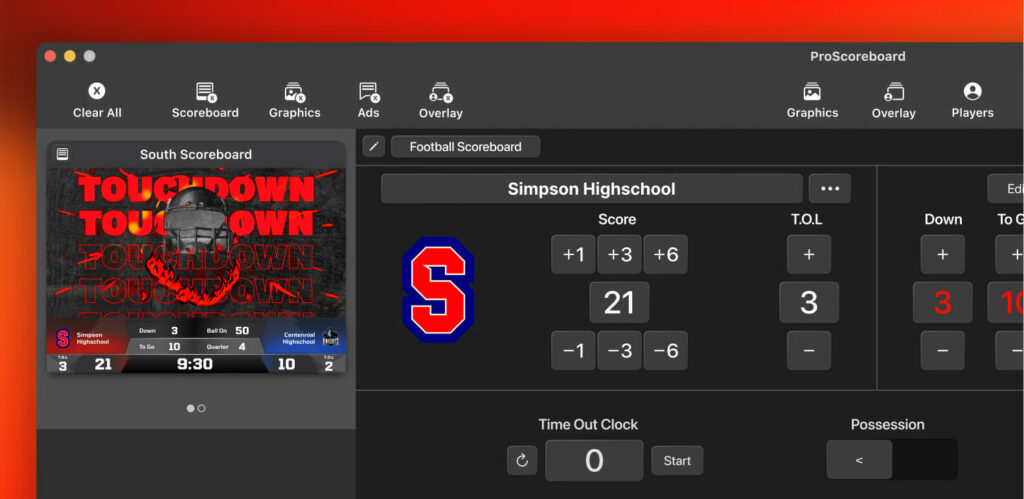
Modern scoreboards function as comprehensive communication platforms rather than simple score displays. They serve as focal points for fan engagement, information distribution, and even revenue generation through advertising opportunities.
The challenge for many universities lies in operating these sophisticated systems without dedicated technical staff. Solutions like Renewed Vision’s ProScoreboard address this gap by building professional capabilities on an intuitive foundation. The software allows users with minimal technical background—students, volunteers, or part-time staff—to manage complex presentations involving live statistics, player information, video content, and sponsor messages.
The drag-and-drop interface and customizable templates enable facilities to maintain consistent branding while adapting to different sports and events. Remote operation capabilities mean a single operator can manage the system from anywhere in the venue, reducing staffing requirements during events.
This accessibility matters because it allows universities to maintain professional-quality presentations without the overhead of specialized technical positions. The software handles the complexity while users focus on content and timing.
Recreational Spaces: Extending AV Benefits Campus-Wide
Professional audio-visual systems prove equally valuable beyond the main arena. Campus recreation centers, fitness facilities, and intramural sports areas all benefit from thoughtful AV design, though their requirements differ from those of spectator venues.
Fitness centers need consistent background audio that motivates users without overwhelming conversation or instruction. Control systems should allow staff to adjust volume and content easily throughout the day as usage patterns change.
Intramural facilities require reliable communication systems for announcements and officiating, plus the flexibility to support different sports with varying audio and lighting needs. The same space might host basketball in the evening and yoga classes in the morning, requiring adaptable systems that support both high-energy competition and calmer activities.
Proper lighting in recreational spaces enhances both safety and usability. Bright, uniform illumination supports active play, while dimming capabilities accommodate different activities and help manage energy consumption during off-peak hours.
Real-World Implementation: Savannah State’s AV Transformation
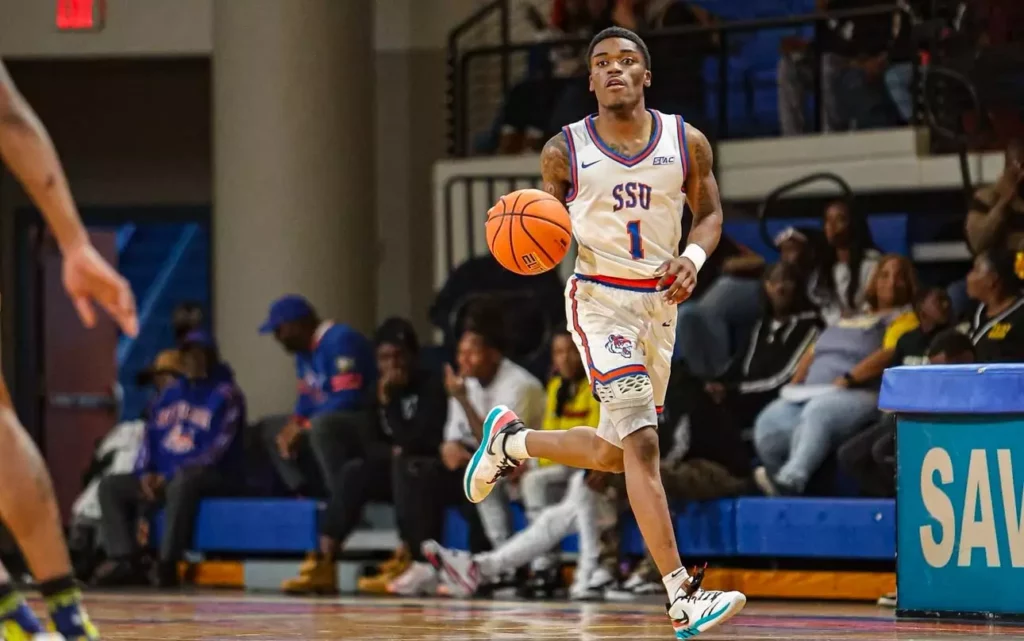
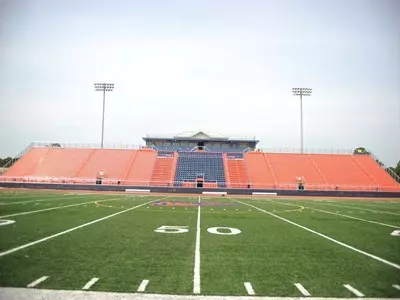
The practical challenges of AV system upgrades become clear when examining actual university projects. Savannah State University recently completed comprehensive audio-visual upgrades at two key facilities, demonstrating how thoughtful system design addresses diverse operational needs.
At Theodore A. Wright Stadium, the university needed a flexible audio solution that could serve both large-scale game day events and smaller field-only activities. The challenge lay in creating dual-purpose coverage: a full stadium system for maximum attendance events and a separate field-focused system for practices and smaller gatherings.
S&L Integrated designed a solution featuring strategically mounted speakers on both the press box and scoreboard, allowing operators to select appropriate coverage based on event size. The announcer’s desk received three push-to-mute microphones and individual headphone amplifiers, while a touch panel provides intuitive control over system power, audio levels, and coverage modes. The integration included inputs for existing coach communication systems and video audio, ensuring compatibility with established workflows.
A key advantage of S&L Integrated’s approach is their commitment to ongoing customer support. The systems installed at Savannah State are designed with remote access capabilities, enabling S&L’s programmers to make adjustments and troubleshoot issues without needing to be on-site. If the university needs help optimizing audio settings for a particular event or encounters an unexpected challenge, S&L’s team can remotely log in, reconfigure system parameters, and provide real-time assistance. This rapid response capability ensures that Savannah State’s AV systems remain flexible and reliable, even as event requirements evolve.
Tiger Arena presented different challenges, requiring full coverage for bleacher and court areas while maintaining separate control booth monitoring. The solution incorporated zone-based audio control, allowing operators to adjust sound levels for different areas independently. Two projectors with HDMI connectivity enable video presentations, controlled through the same touch panel that manages audio functions.
Both projects exemplify the integration approach discussed earlier. Rather than simply installing equipment, S&L Integrated created systems that work together seamlessly. The announcer desks at both facilities use identical control interfaces, reducing training requirements when staff work multiple venues. Wireless microphone systems, CD/Bluetooth players, and press feed outputs maintain consistency across both installations. With remote support and optimization available, Savannah State can count on S&L Integrated not just for installation, but for ongoing partnership and peace of mind.
Integration Challenges and Considerations
Implementing comprehensive AV systems requires balancing performance goals with practical constraints. Universities typically operate under budget limitations that make thoughtful system design essential. The most effective approaches prioritize integration—ensuring that sound, lighting, and visual display systems work together seamlessly rather than operating as independent components.
Technical complexity increases with system sophistication, making professional integration valuable even when budget constraints are significant. Systems that aren’t properly integrated often underperform their individual components’ capabilities, leading to frustration and suboptimal user experiences.
Training represents another critical consideration. The most advanced system provides little value if staff can’t operate it effectively. Universities implementing new AV systems benefit from comprehensive training programs that build confidence among operators and reduce the likelihood of technical issues during events.
The Broader Impact
Well-designed audio-visual systems contribute to the overall campus experience in ways that extend beyond individual events. They support recruitment efforts by creating impressive environments for prospective students and athletes. They enhance school spirit by providing platforms for community building and celebration. They also contribute to operational efficiency by reducing the staffing and technical expertise required to manage complex events.
The investment in professional AV systems reflects a university’s commitment to providing quality facilities for its community. When these systems work effectively, they fade into the background, allowing the authentic energy and excitement of campus athletics to shine through. The technology serves the experience rather than dominating it.
Universities considering AV upgrades face numerous decisions about technology, budget allocation, and implementation approaches. The most successful installations typically result from careful planning that considers not just immediate needs but also long-term operational requirements and the facility’s role in campus life. These systems represent infrastructure investments that support university communities for years to come.
Ready to Transform Your Campus Athletic Facilities?
The difference between adequate and exceptional AV systems lies in the expertise behind their design and implementation. At S&L Integrated, we understand that every university faces unique challenges—from tight budgets to facilities that must serve multiple purposes throughout the week. Our team specializes in creating audio-visual solutions that work seamlessly together, reduce operational complexity, and deliver the reliable performance your campus community deserves.
Whether you’re planning a complete facility renovation or targeted system upgrades, we can help you navigate the technical decisions that will impact your facility for years to come. From initial consultation through installation and training, our approach ensures your investment delivers maximum value for students, athletes, and the broader campus community.
Contact S&L Integrated today to discuss how we can help you create athletic and recreational facilities that truly serve your university’s mission. Let’s explore what’s possible for your campus.